Studio
Inquiries

People & Culture

Studio
Inquiries
People & Culture
Ⓒ2026 Ars Thanea (SYZYGY Group). All Rights Reserved.
Join our newsletter
What’s new, what’s next — straight to your inbox.
What’s new, what’s next — straight to your inbox.
Studio
Inquiries
People & Culture
Studio
Inquiries
People & Culture
Ⓒ2026 Ars Thanea (SYZYGY Group). All Rights Reserved.
author :
Peter Jaworowski
tags :
[ Inside Ars Thanea ]
[ Pipeline ]
[ Industry ]
From the outside, R&D often looks chaotic. For those responsible for shaping original work, whether on the brand side, agency side, or inside a production studio, that chaos can be either a liability or a strategic advantage. Artists explore without clear direction, budgets stretch, and outcomes feel uncertain. Indeed, sometimes it is chaotic. However, what appears messy on the surface usually reflects a deliberate production choice.
In CG and motion design, R&D is a clearly defined phase of production. Selected artists and designers are given time to explore without predefined visual outcomes or polish expectations. They move along the edges of the brief rather than its center, searching for inspiration in real-world processes, physical materials, textures, behaviors, and technical constraints. The goal is not to finish shots or deliver assets. The goal is to search, test limits, and identify what could not have been predicted. In that sense, the perception of chaos is not entirely wrong. That is precisely why R&D can kill a project.


It consumes time. It consumes budget. It can exhaust teams. Many studios have experienced phases of experimentation that promised originality and delivered stress and financial strain. We have experienced that as well. Used intentionally and supported by experience, R&D becomes one of the most potent tools in creative production. Not because it guarantees strong ideas, but because it creates the conditions for strong ideas to emerge. It shapes the work and the people building it.
At Ars Thanea, we have spent years refining how we approach R&D. We made mistakes. We adjusted. We invested before we understood the full return. Over time, we built tools, teams, and workflows to support this approach. What we learned is straightforward: R&D does not scale through tools alone. It scales through taste, knowledge, and experience.
In our industry, R&D is frequently presented as a mindset or a slide in a pitch deck. In practice, it is a production decision. It means allocating real time to selected team members and allowing exploration without early pressure to finalize or polish. During this phase, quantity precedes quality. Volume creates contrast. Contrast reveals direction. Ideas are combined, discarded, rebuilt, and tested again.
Originality can surface in animation behavior, lighting systems, textures, camera logic, or technical workflows. It often occurs when tools are pushed beyond their intended use and begin behaving unexpectedly. This is where taste is exercised before it is executed.
R&D makes the most sense when differentiation matters more than execution, when the task is not to deliver assets, but to define a visual language. It proves especially valuable when a brand needs to translate something intangible, a service, a platform, a complex value proposition, into something tangible and ownable. In categories where everything already looks the same, incremental variation rarely moves the needle. Exploration does.
R&D also becomes relevant when a creative team hits a conceptual wall. Instead of forcing another iteration of the same idea, structured exploration can reopen the field and reveal directions that were previously invisible. In short, R&D is appropriate when the ambition is not to follow a reference, but to create one. Conversely, it is the wrong tool when timelines are immovable, budgets cannot absorb iteration, or the brief is purely executional. It is a strategic instrument, not a default setting.
R&D-driven production reshapes team dynamics. It rewards curiosity, speed, and comfort with ambiguity. For some artists, this is energizing. For others, it is demanding. Not every professional thrives in exploratory phases where outcomes remain undefined, and polish is postponed. Many artists excel in clearly structured environments focused on precision and execution.
Both profiles are essential. Explorers generate raw material. Artisans transform it into finished work. Without exploration, output becomes predictable. Without craft, it remains unfinished. Effective R&D depends on deliberate team composition rather than individual brilliance.
R&D introduces uncertainty, and uncertainty amplifies pressure as deadlines approach. Without structure, that pressure quickly becomes destructive. R&D-heavy pipelines require strong alignment between producers, creatives, and technical leads. Everyone must understand what is being risked, why it is being risked, and how that risk is controlled.
An essential part of maturity is knowing when to stop. Protecting exploration is only half the responsibility. The other half is recognizing when an R&D direction no longer serves the project and deciding to discontinue it. R&D without structure burns people out. R&D with leadership builds resilience.
R&D-driven production reshapes the client relationship. It requires trust rather than complete visibility at the outset. Clients may not see a fully defined visual outcome in the early stages. What they are trusting instead is experience: the studio’s ability to convert exploration into strategic value. That trust is earned through transparency, repetition, and delivery. Without it, uncertainty becomes instability.
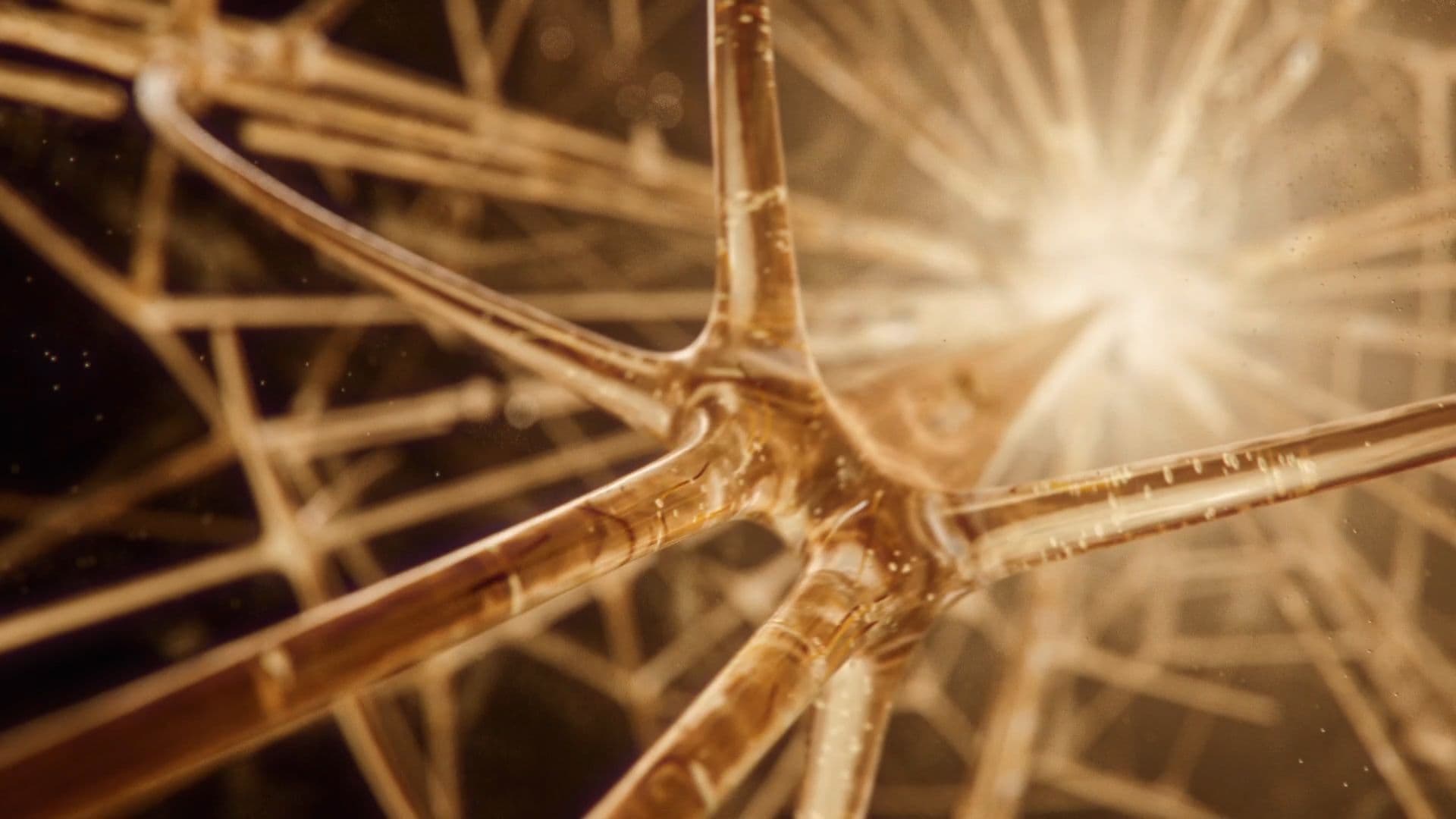
Creativity cannot be scheduled. Production must be. This tension defines the producer’s role within R&D pipelines. Producers translate uncertainty into structure. They maintain clarity within the team, keep clients aligned, protect timelines and budgets, and define decision points.
They establish review milestones, kill thresholds, and escalation mechanisms. Without these safeguards, experimentation becomes exposure. With them, exploration operates inside controlled boundaries. Structure does not restrict creativity; it protects it.
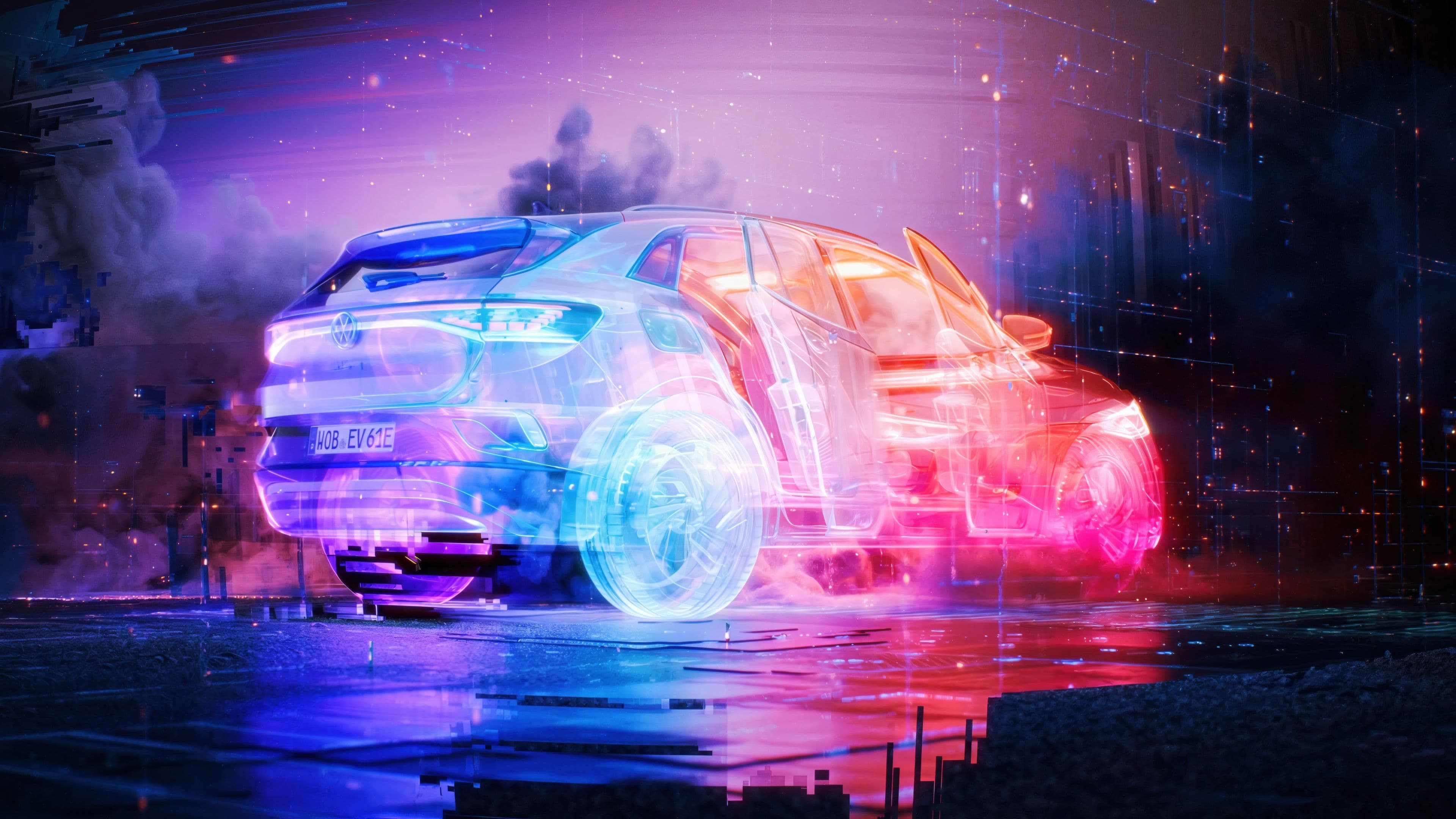
In an era of rapidly evolving tools, including AI-driven systems capable of generating vast output, speed is often mistaken for innovation. Speed without judgment produces volume. Volume without taste produces noise. R&D scales through the ability to recognize potential, discard excess, and refine direction. Tools evolve, taste compounds.
R&D does not rescue weak ideas. Used without discipline, it destabilizes projects and teams. Avoiding it entirely, however, leads to predictability. When treated as long-term infrastructure, supported by experienced leadership and a defined workflow, R&D becomes a system rather than a gamble. For us, that system was built gradually, through experimentation, missteps, and refinement. It continues to evolve. R&D can boost or undermine a project. The outcome depends on how intentionally it is applied.

Author
Peter is a founding partner and Chief Creative Officer, shaping the studio’s creative vision since 2007. He pushes ideas and craft to their highest form, setting the bar for creative excellence across the studio.
Connect:
LinkedIn