SK-II LXP — Kintsugi
client:
Procter & Gamble
agency:
Planetary Prague
year:
2024
tags:
[ Motion ]

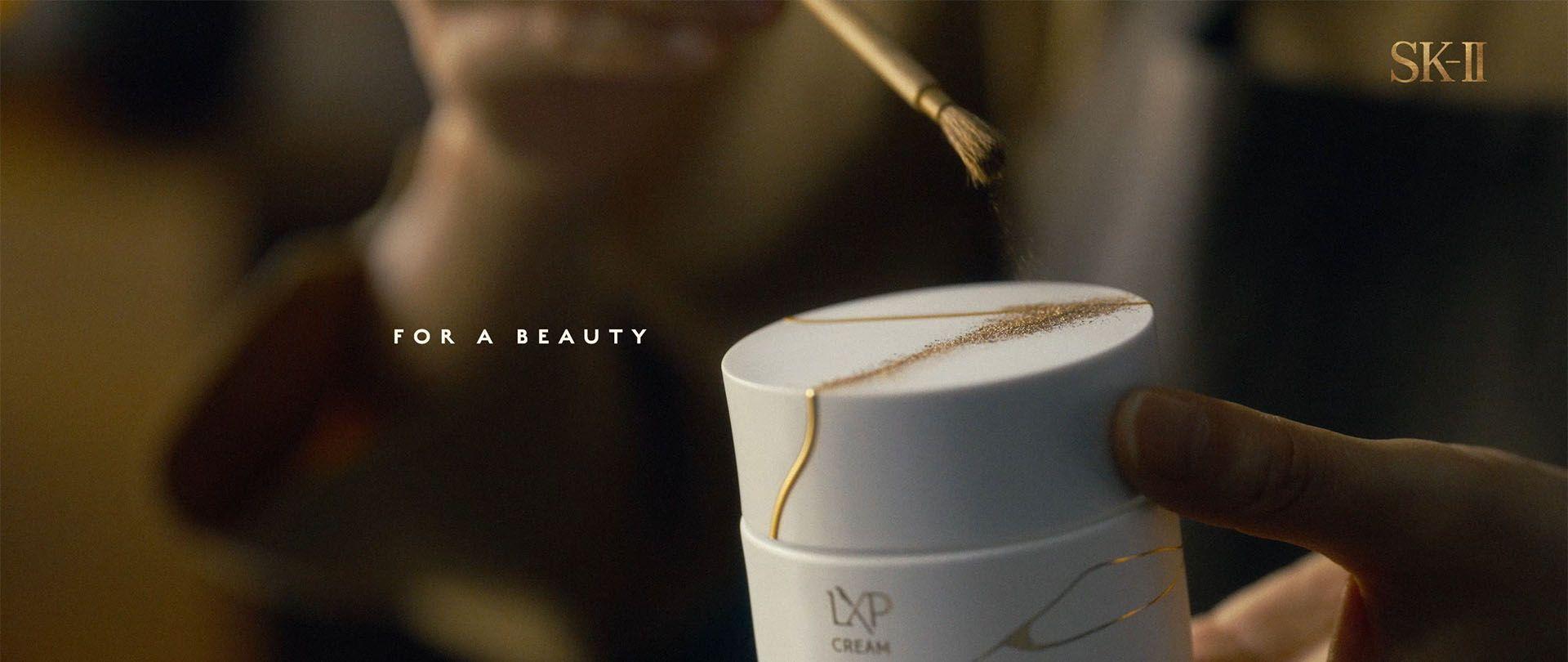
SK-II LXP is a premium skincare product, with one of the lines built around the Kintsugi philosophy - finding strength through repair. State of the art technology: 8x concentrated PITERA, golden silk sericin, a promise of crystal clear skin.
Planetary came with a vision that was precise and creatively strong. Early explorations had already mapped the visual territory - the richness of the ingredients, the cosmic scale of the product promise, the Kintsugi metaphor running through all of it. Some of those explorations were AI, some of the references were live-action, and some 2D flat designs.
Beautiful individual frames. A clear creative direction. But individual frames, however strong, don't carry a story on their own. Getting from a compelling visual concept to something art-directed, iterable, and narratively coherent - that distance is longer than it looks. And the only way across it is craft.
R&D as Creative Leverage
We chose R&D as the primary design tool. Not as a production phase - as a method of creative thinking. AI-aided exploration generates fast, it covers ground quickly, but the results carry a kind of randomness that's difficult to steer. R&D is slower. It trades that randomness for something more useful: serendipity. Happy accidents that are art-directed. Discoveries that happen because skilled people are looking for them. Before anything reached Planetary, Ars Thanea's internal creative team ran multiple rounds of exploration - testing fluid behavior, pushing simulation logic, finding directions that were both technically feasible and creatively alive. A lot was discarded. Some things were kept and pushed further. That internal process was where the creative foundations were built.
Then we brought that work into regular sessions with Planetary - sharing what we'd found, iterating effects together, letting their creative vision shape what our explorations had opened up. It was demanding. A simulation would unlock a narrative possibility nobody had considered. A lighting decision would reframe what an entire sequence could mean. The campaign concept evolved as we worked - what began as a brief became something closer to writing it together. Dead ends included. That was part of it.


The Story Inside the Image
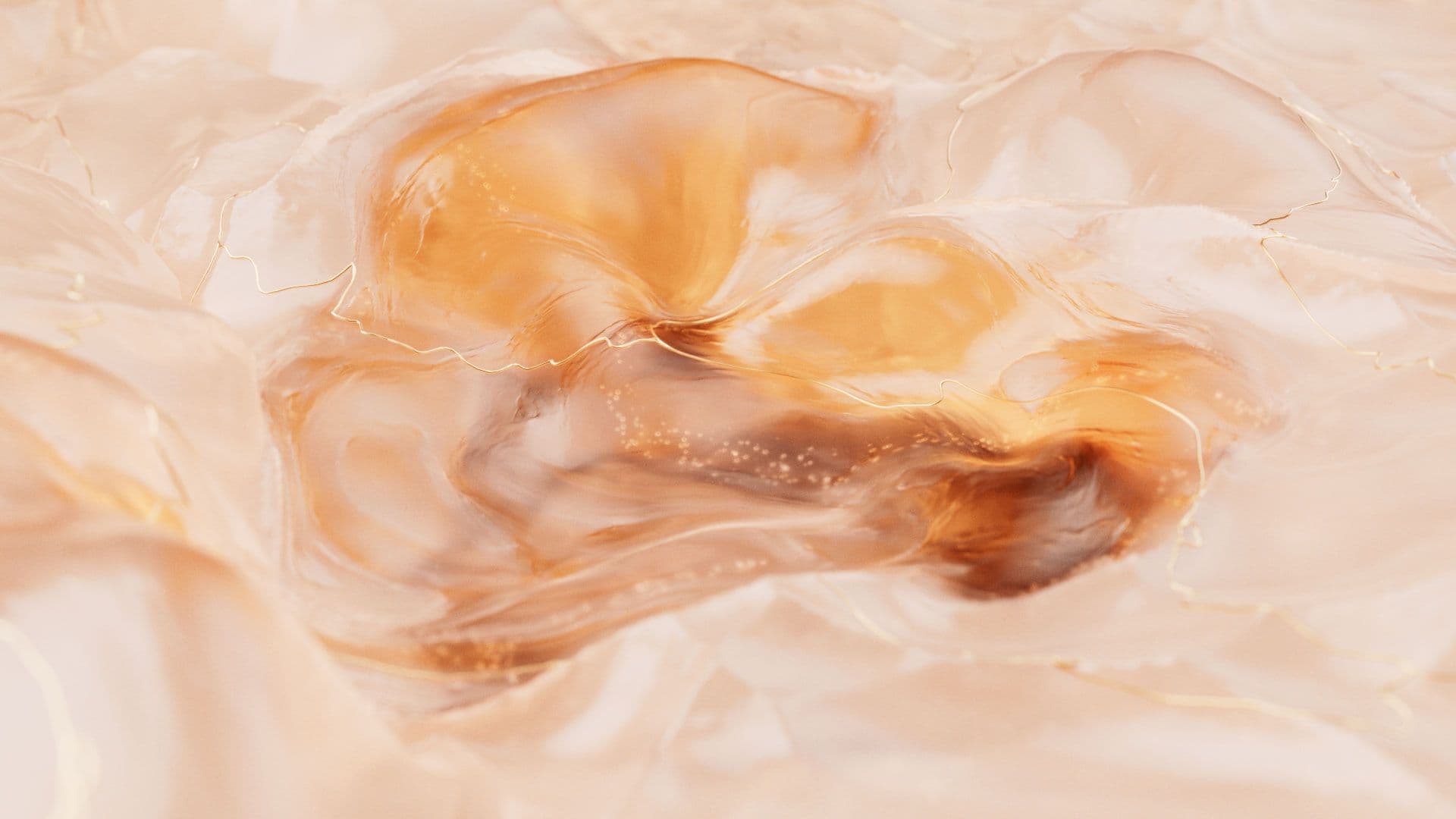
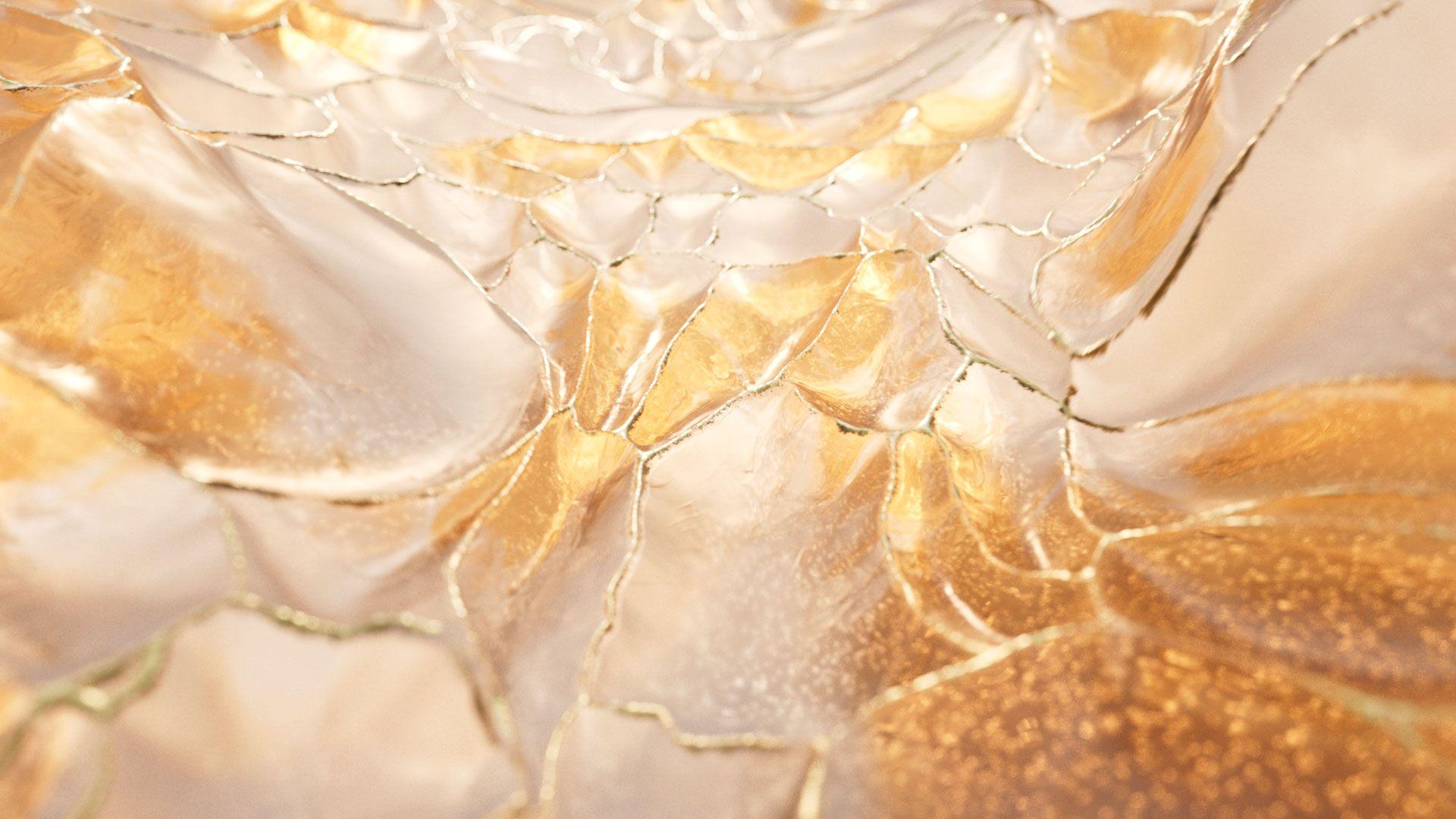
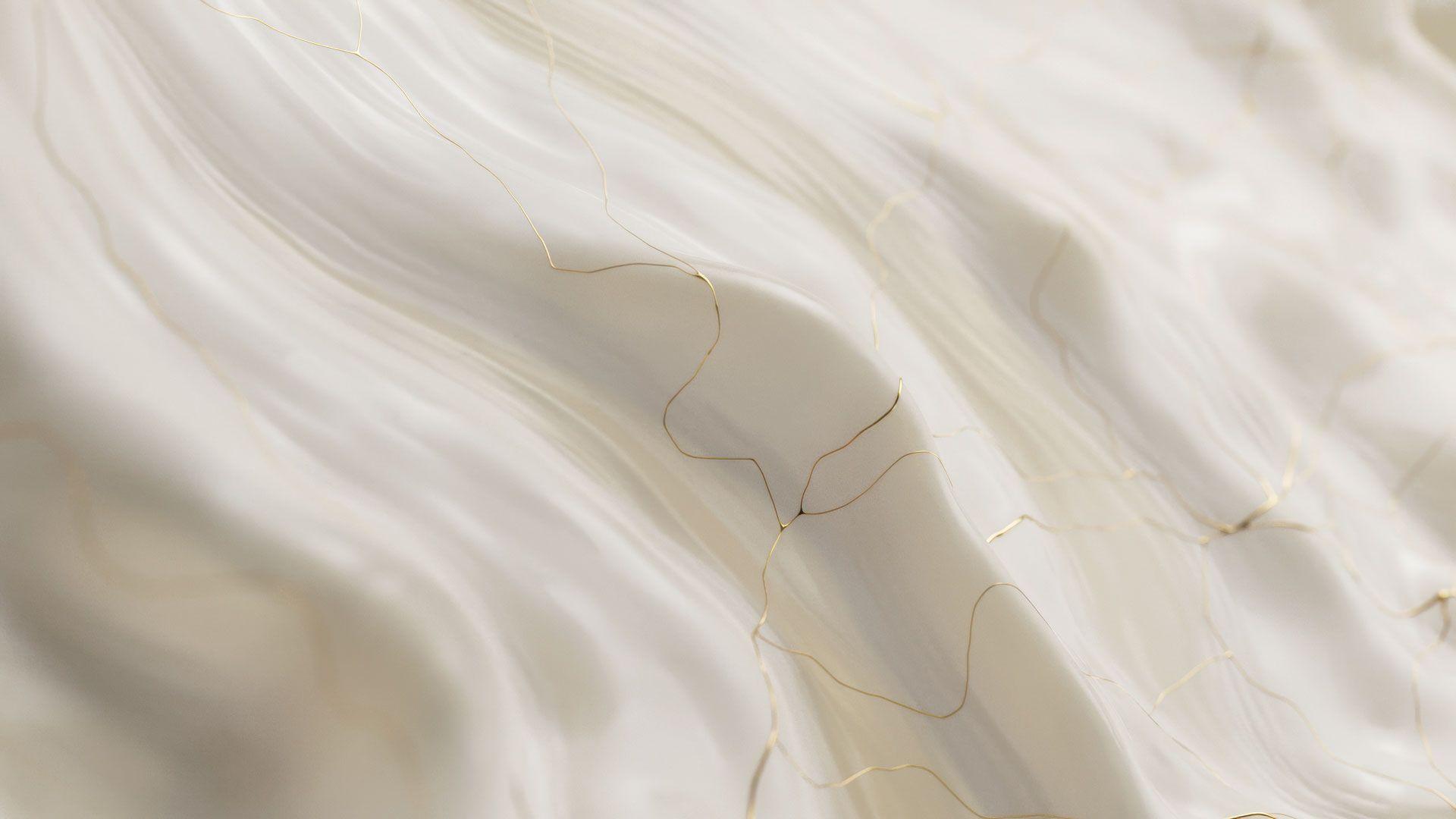
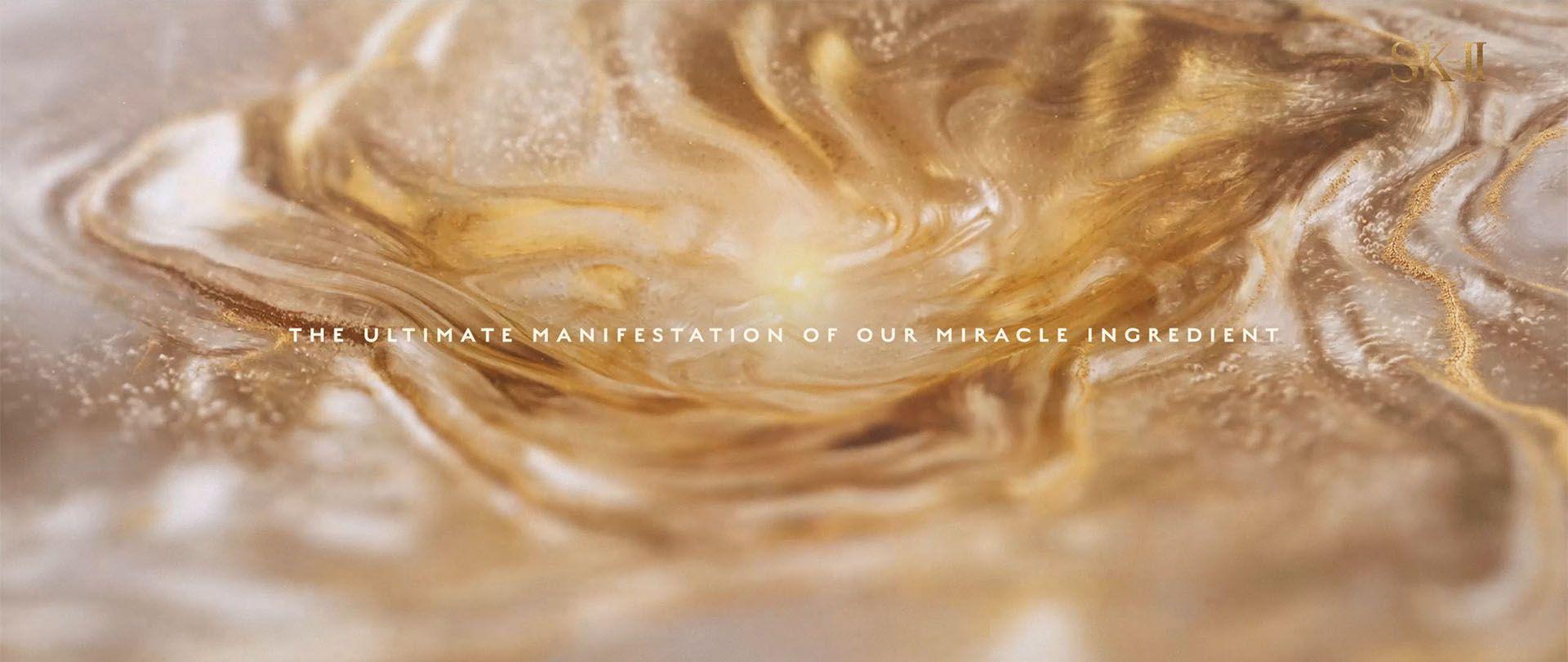
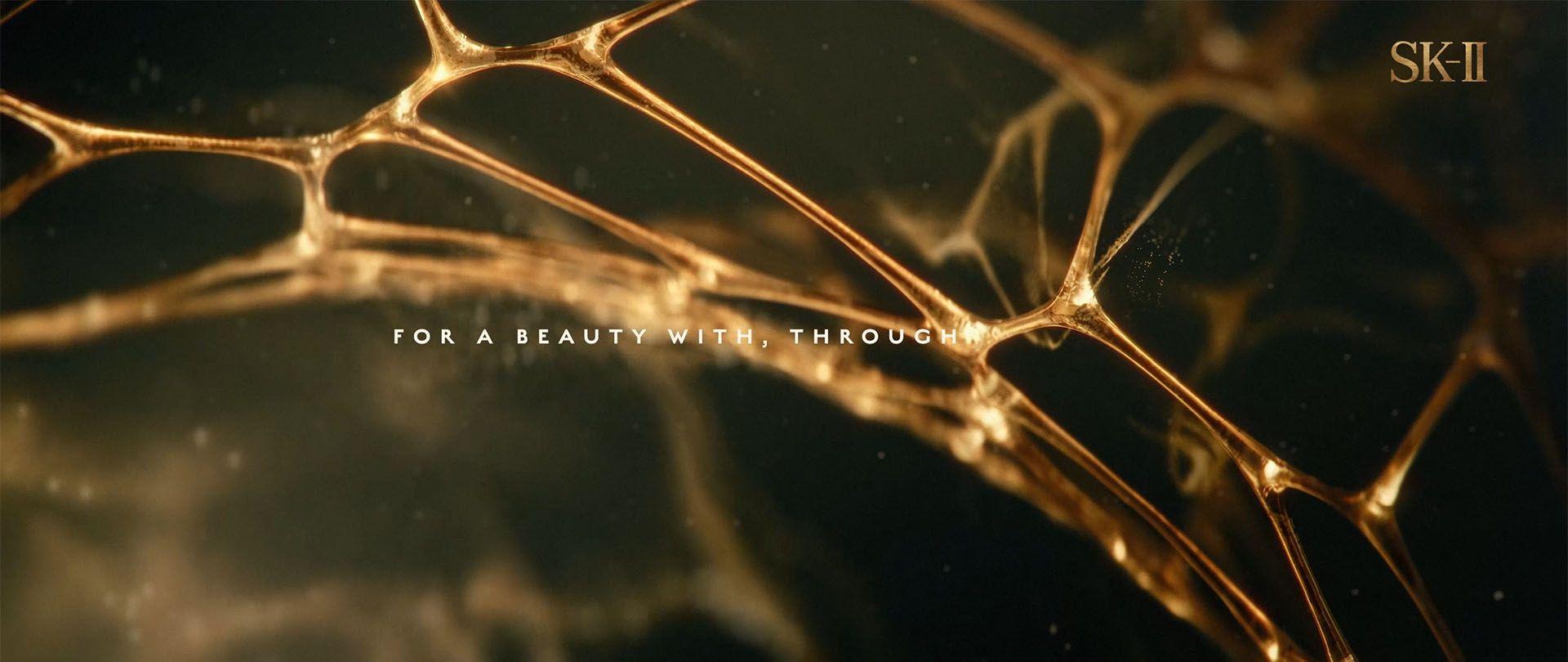
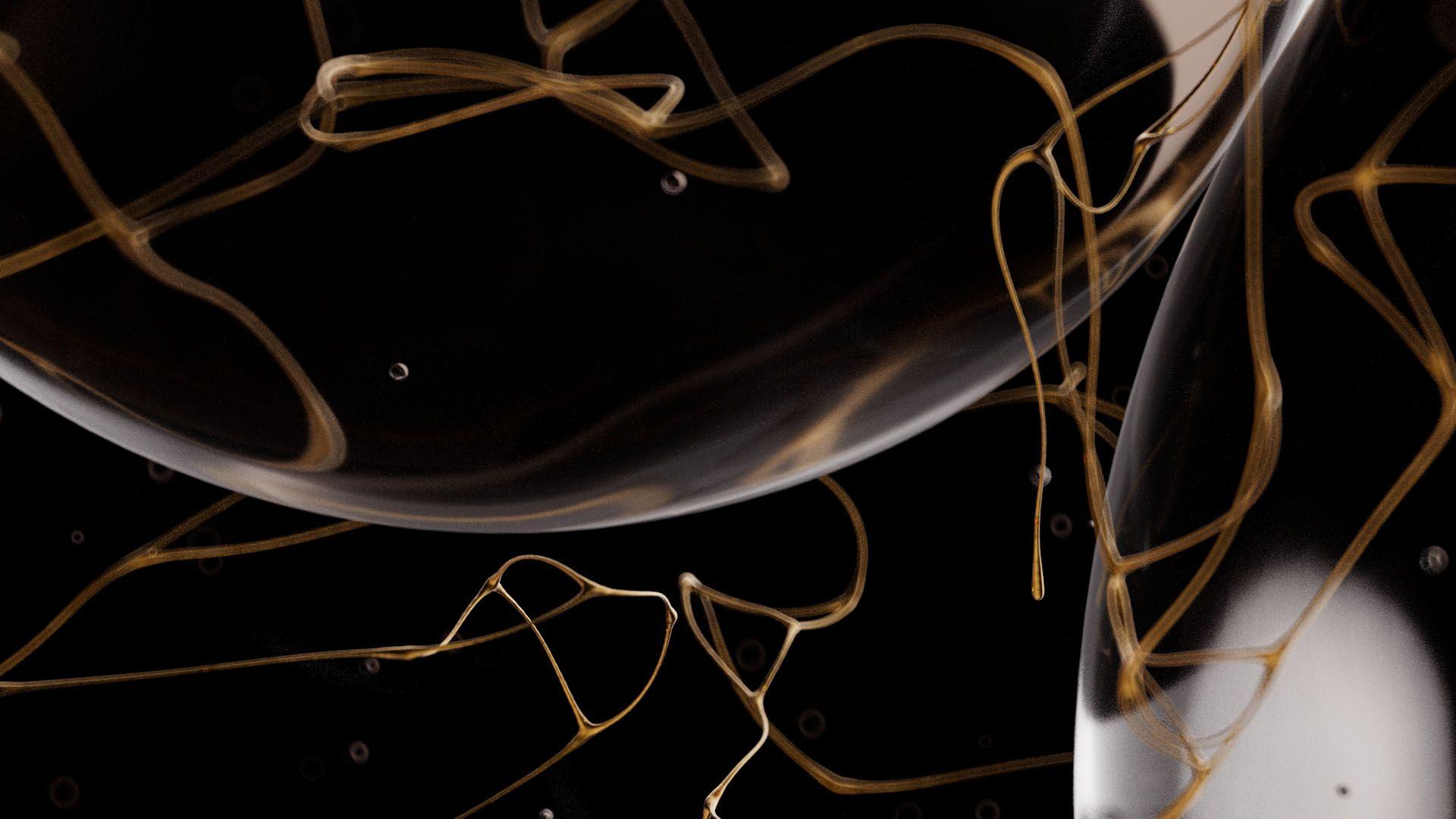
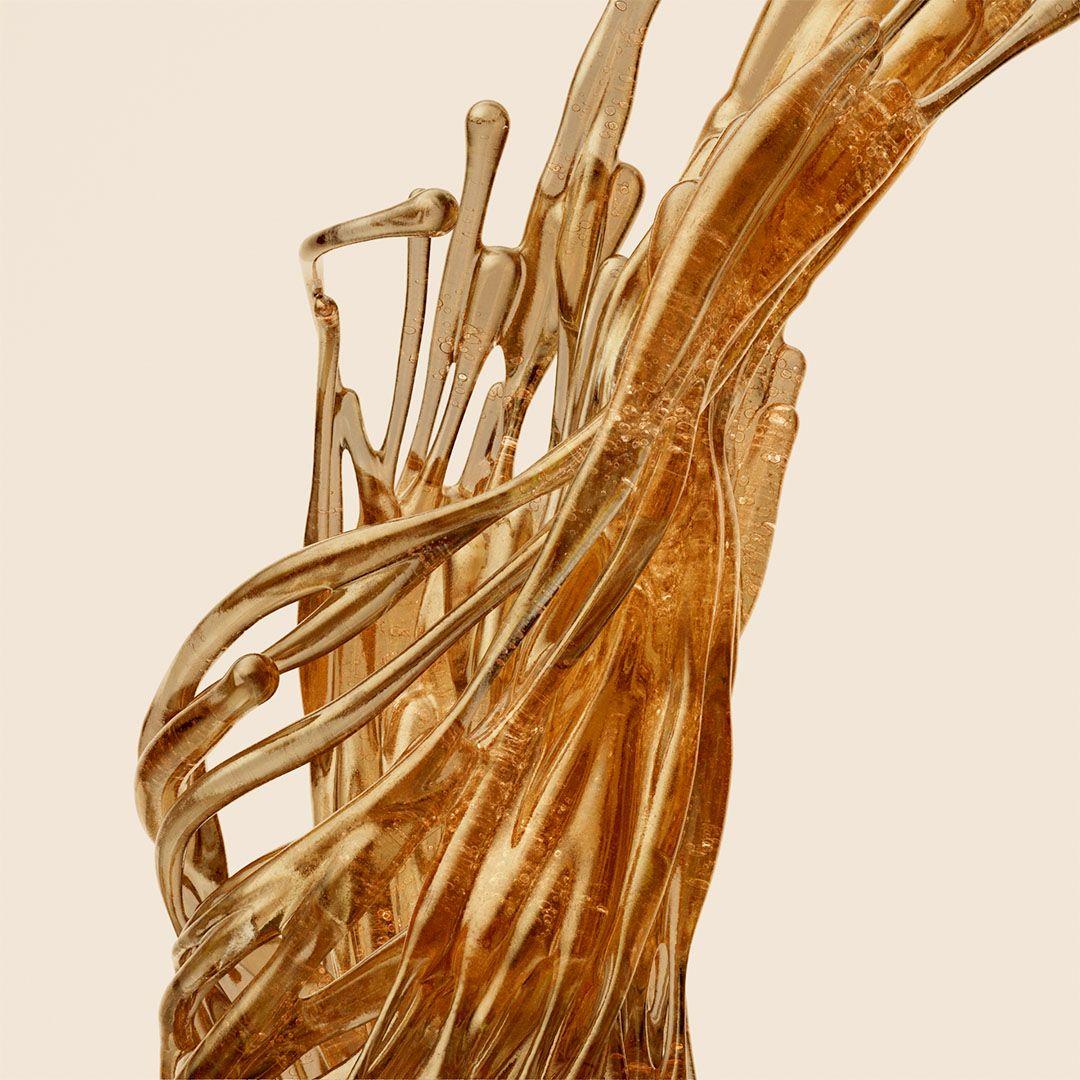
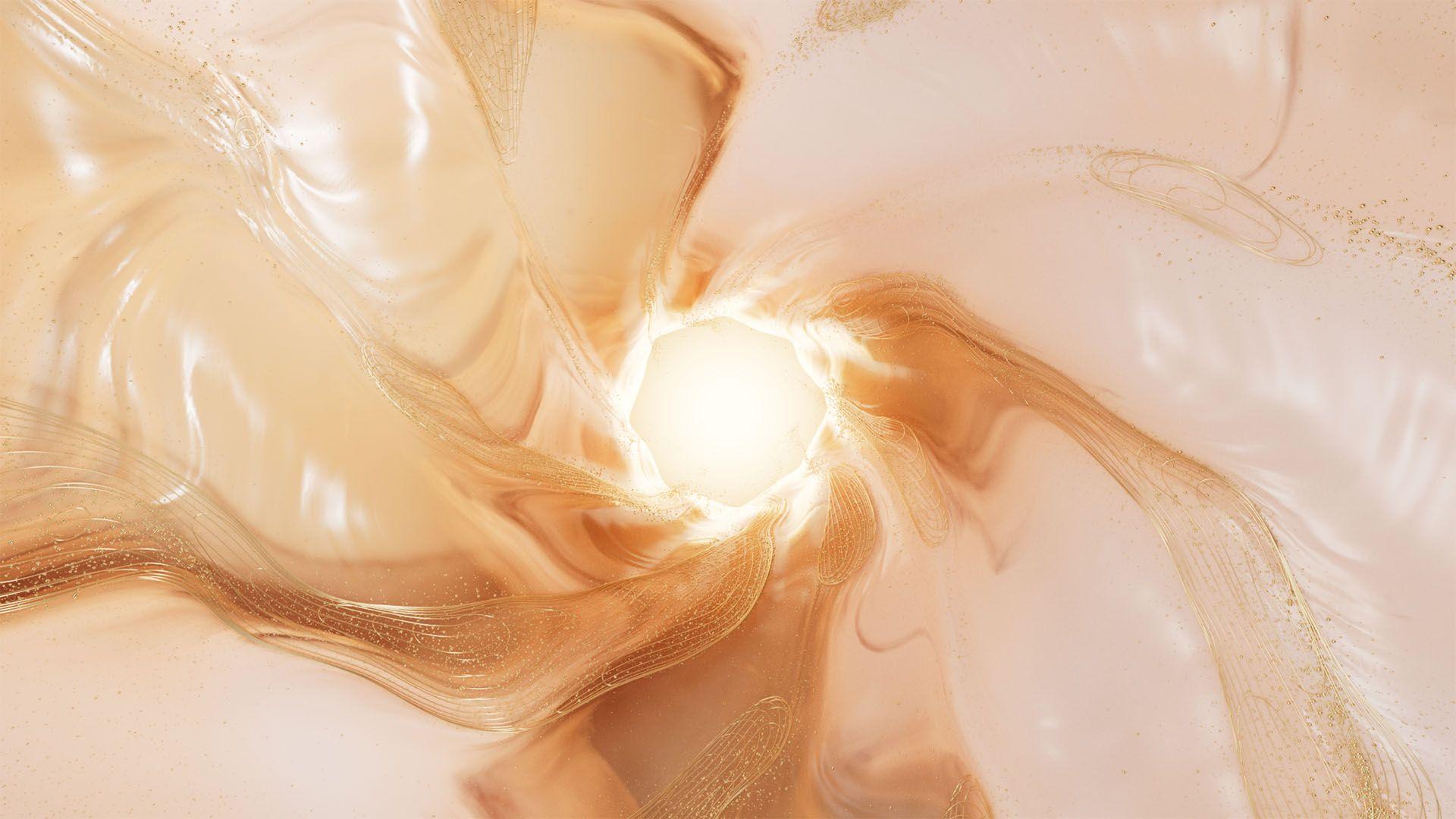
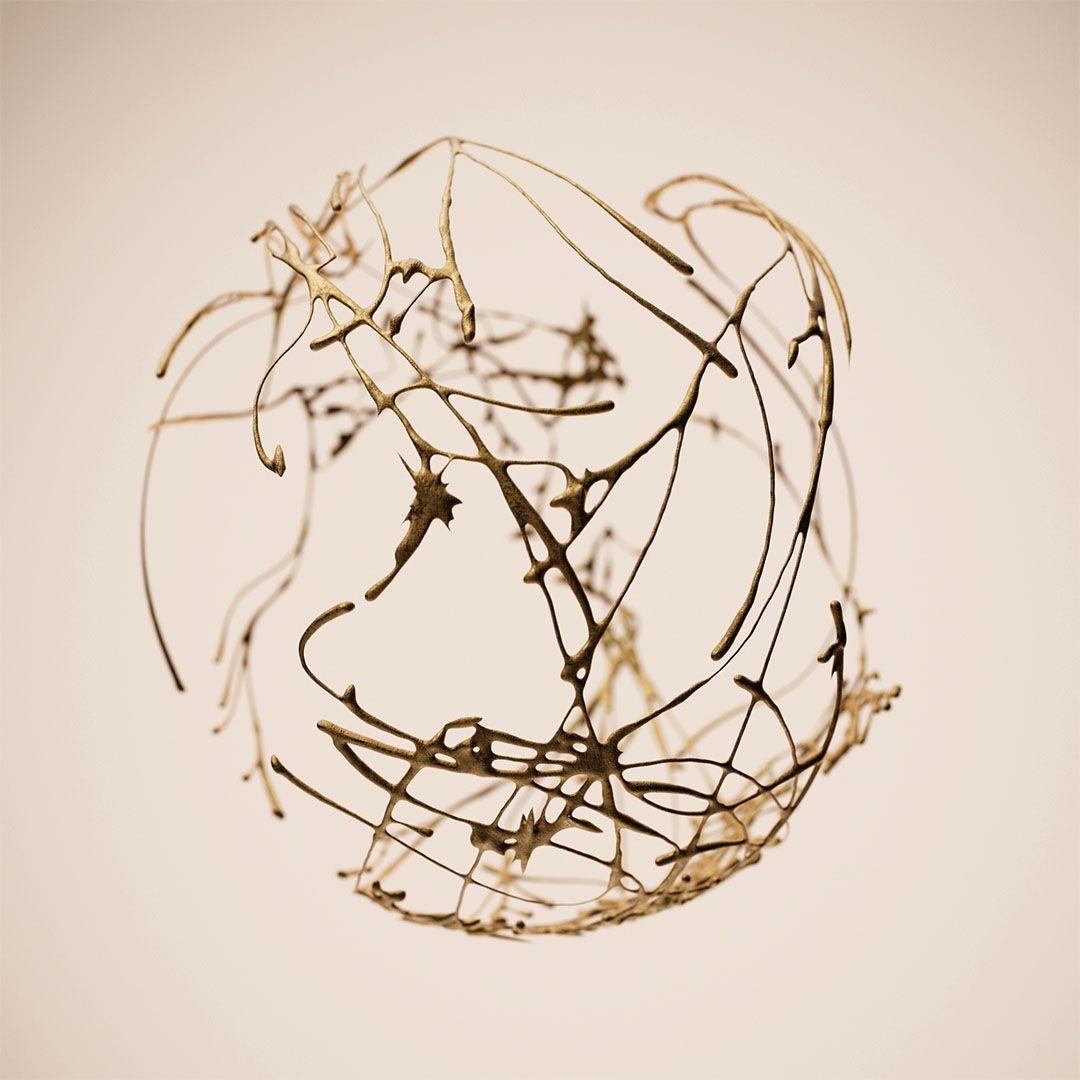
What kept every decision grounded: the visuals weren't abstract for the sake of abstraction. Each image described something precise - the science of how SK-II LXP actually works. Centrifugal swirl forces visualized the concentration of PITERA. The release of golden silk sericin threads showed what happens when the formula activates. The network of connections - luminous, glittery, flowing through layered structures - represented the biological reality of strengthening skin bonds. The Kintsugi metaphor wasn't decoration. It was structurally true to the product. That made every creative decision harder and more meaningful. We weren't inventing visual poetry. We were finding the most precise, premium way to show something real - and making it feel inevitable.
Kintsugi as a Creative Compass
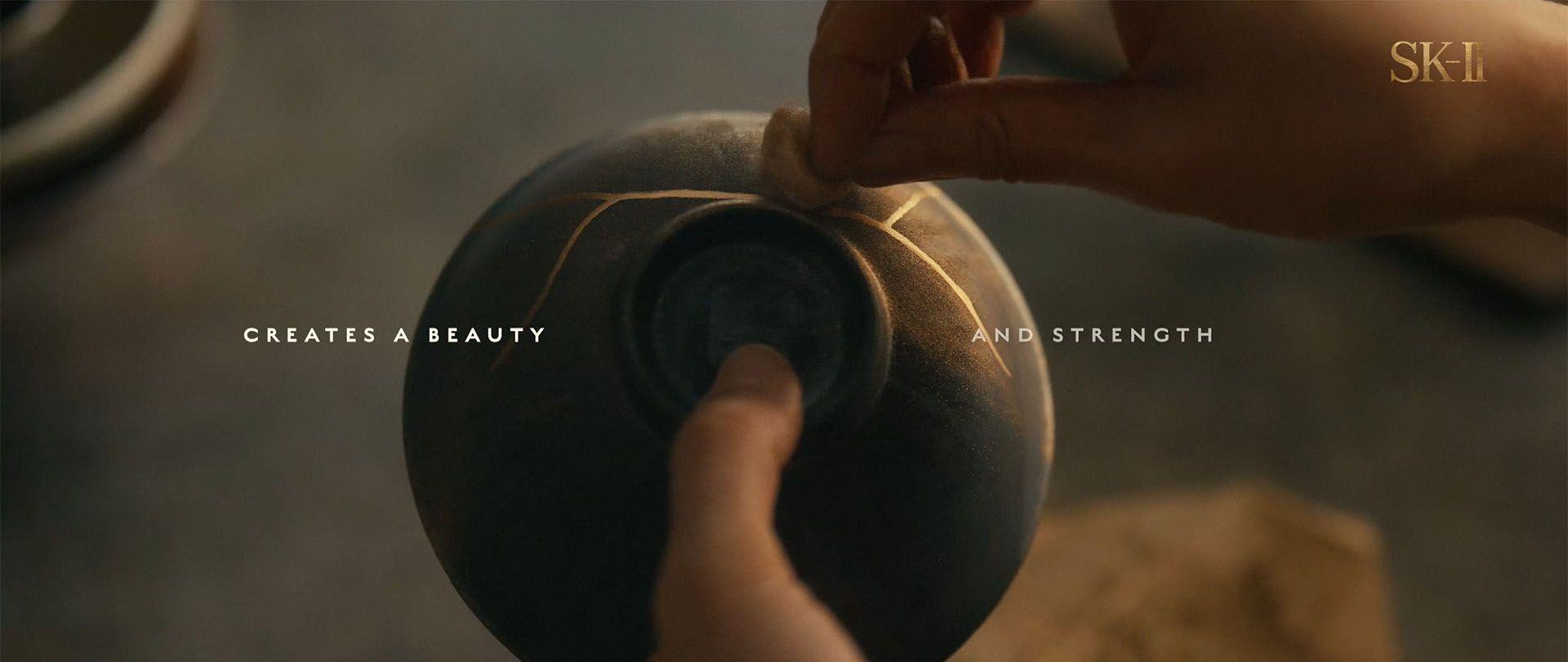
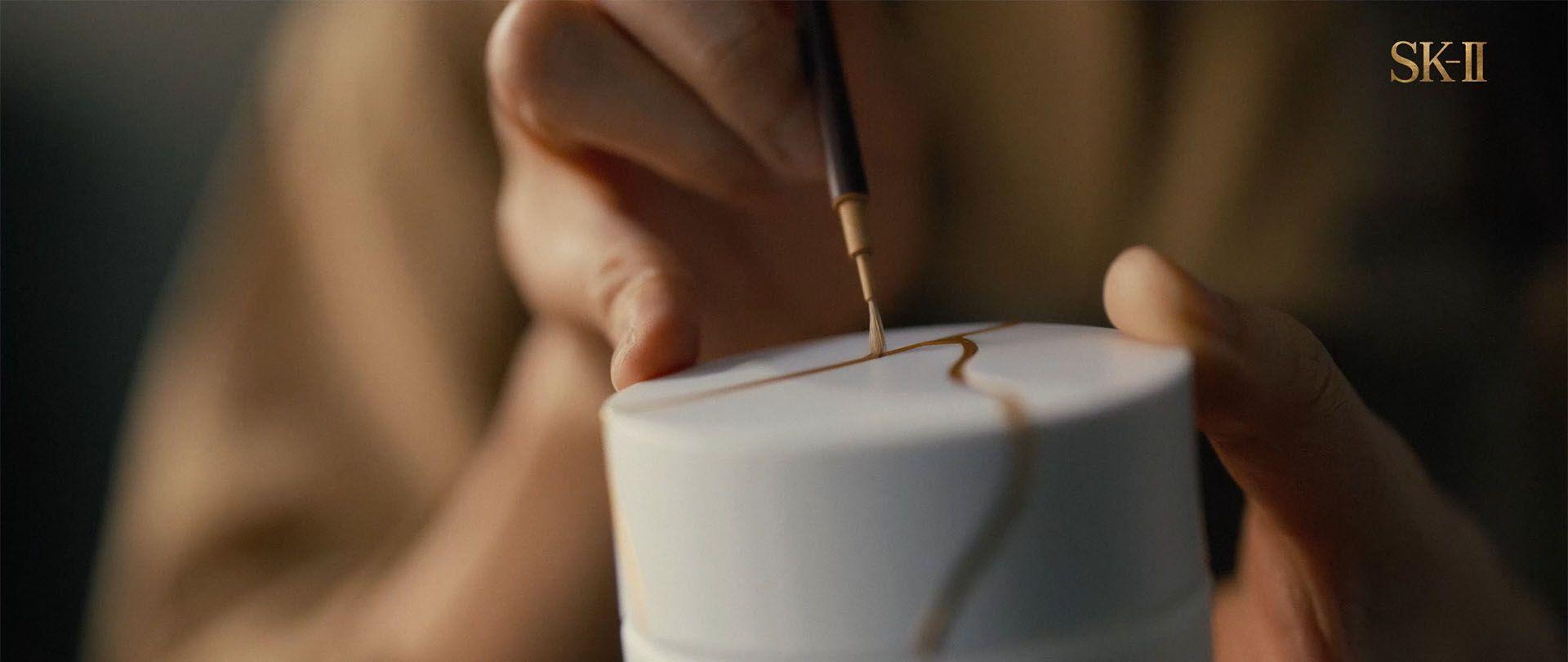
Once that logic was clear, the Kintsugi metaphor became a filter for every decision. Gold fills the cracks. New strength through new connections. Why this simulation over that one? Why this light? Why this pace? Why does this beat come before that one? The metaphor answered those questions before they became arguments - and kept the work honest to the product story even as the visuals pushed further into the abstract. In a project this iterative, that kind of anchor matters. Without it, exploration becomes drift.
Building Micro-Worlds
Instead of hero shots, we designed sequences as micro-contexts. Each one focused on a specific beat: the concentration of PITERA, the release of silk sericin, the rebuilding of connections. Each worked standalone, in fragments, or combined with the others. That flexibility was deliberate. Planetary needed material they could cut against live-action in any order the story demanded. We weren't delivering assets. We were designing a system built for editorial freedom.
The Craft
The simulations were technically advanced. Centrifugal forces, silk thread behavior, fluid viscosity across multiple substances - all rendered in 8K, 75fps. Layered compositing with many levels of effects. Heavy calculations. Multiple technical obstacles that appeared late had to be solved without losing what had already been built. The complexity was real. It needed to be invisible. The standard wasn't measured in specs - it was measured in how the result felt. Premium. Alive. Inevitable.
The Result
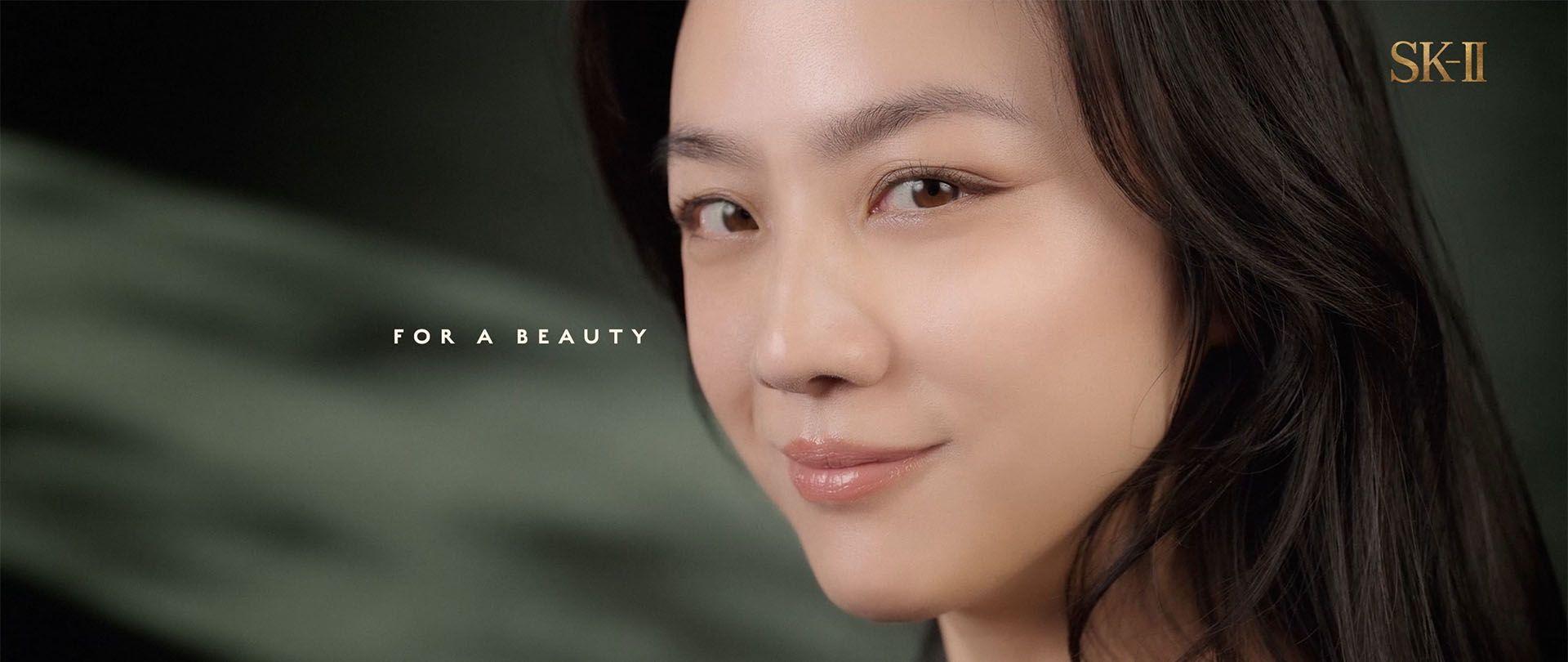
Planetary edited our library with live-action footage into a cinematic beauty trailer - precise, immersive, true to the product. We didn't control the edit. We designed for it. A concept that started as individual explorations - visual, directional, not yet narrative - became a story. Not despite the difficulty of the process. Because of it.
Reflecting on the journey, one question remains: Concept. Does it tell a story?
SK-II LXP began as a concept, visually strong and precise, with clear references pointing in one direction. Challenging beauty product visualization that required a narrative spine: a purposeful sequence where each image followed the last for a reason. This was the missing arc we set out to build, turning a collection of visuals into a connected, evolving story. That was the focus of our process. We didn't replace the concept; we built everything needed for it to survive production, client feedback, and the demands of an edit paired with live-action. Step by step, we structured the narrative arc that made the visuals work together as a story.
Visual references. Mood boards. AI-based explorations. A creative direction that makes sense in a room but hasn't yet survived a production process. That's not a problem. That's a starting point. The distance between a compelling concept and something that can be art-directed, iterated, and built into a narrative - that's where we work. With R&D as a creative tool, and a way of collaborating that makes the concept stronger rather than just executable.
RnD

Credits
Client
Procter & Gamble | SK II
Agency
Planetary Prague
Director, Creative Director
Jiří Horút
Account Lead
Siddika Dehlvi
Account team
Natalie, Yana Stanishevskaya, Ruzena Spurna
Agency Producer
Jan Honza Vancura
DoP
Radim Střelka
Production House
Procoma
Producer
Alžběta Šerclová
Executive Producer
Michaela Šandová
Project Manager
Albert Franc
Service production
Stink Hong Kong - Sally Shi, Stink Japan - Reiko Moori
Postproduction
Prodigious Singapore
Edit
Mingle Film (Simona Donovalová, Jakub Jelínek)
Music & Sound
Bark Soho
Music
Simon Elms
Producer
Carley Reynolds
Design & Craft Studio
Ars Thanea
Executive Creative Director
Peter Jaworowski
Creative Director
Maciej Mizer
Art Director
Zoe Miklis
Studio Supervisor
Jakub Grobelny
3D Supervisor
Łukasz Szyszka
RnD
Ezequiel Grand, Michał Zawół, Piotr Klimek, Mesrop Hovhannisyan, Rafał Droździk
Animation
Piotr Klimek, Rafał Droździk
Look Dev
Piotr Klimek, Rafał Droździk, Mateusz Bargiel, Michał Natorski
Lighting & Rendering
Michał Natorski, Rafał Droździk, Piotr Klimek, Mateusz Bargiel, Kacper Kałużyński
Compositing
Mateusz Bargiel, Maciej Mizer, Marcin Struniawski
Grading
Maciej Mizer
Next Project
Opera
— A New Era of Browsing