Studio
Inquiries
People & Culture

Studio
Inquiries
People & Culture
Ⓒ2026 Ars Thanea (SYZYGY Group). All Rights Reserved.
Join our newsletter
What’s new, what’s next — straight to your inbox.
What’s new, what’s next — straight to your inbox.
Studio
Inquiries
People & Culture
Studio
Inquiries
People & Culture
Ⓒ2026 Ars Thanea (SYZYGY Group). All Rights Reserved.
author :
Peter Jaworowski
tags :
[ Industry ]
In recent months, several reports have attempted to measure how artificial intelligence might reshape the labor market. Much of the discussion focuses on which tasks can be automated, accelerated, or augmented by systems capable of generating images, text, or code. For creative industries, the conclusion is often presented in simple terms. If machines can generate visuals, then visual production itself must be on the path toward automation.
That interpretation, while understandable, overlooks a fundamental aspect of how creative production functions. The assumption behind many of these conversations is that creative work is primarily about producing images or films. In practice, however, that is rarely what clients are truly buying.
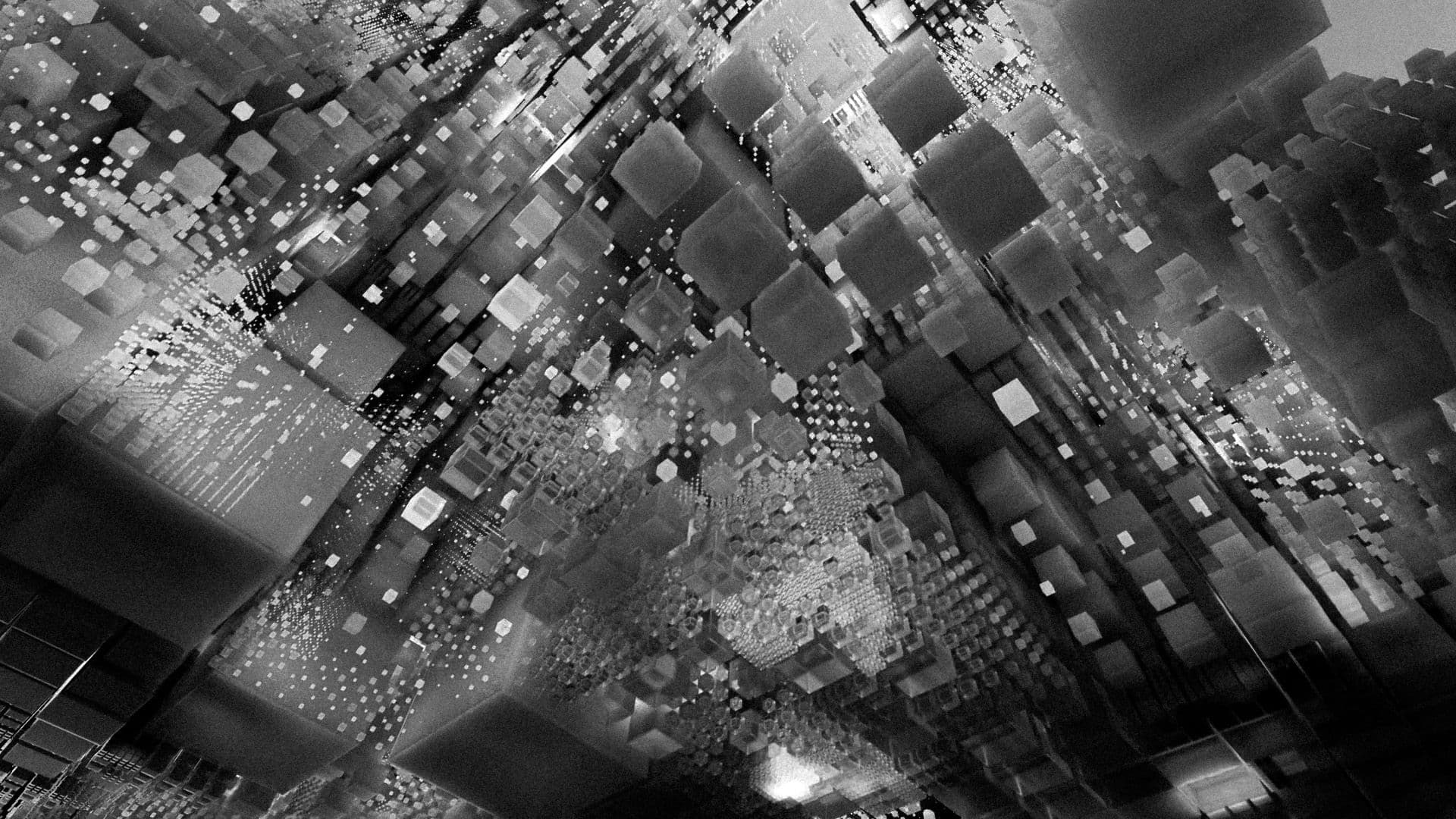
AI systems are already capable of generating impressive visual output. With the right prompts and sufficient iteration, they can produce striking images in seconds. This ability has dramatically lowered the barrier to visual experimentation and accelerated certain stages of creative exploration. However, the presence of visual output does not automatically translate into a finished result that works within a campaign, a product launch, or a broader brand system. Clients rarely commission individual images in isolation. They commission outcomes: visual systems that communicate clearly, support a strategic idea, and function across multiple formats, platforms, and production constraints.
The distinction between these two things may appear subtle at first glance. In practice, it shapes the entire production process. An image is an output. A campaign-ready result, on the other hand, requires coherence with strategy, consistency across deliverables, and the ability to operate inside real timelines and technical limitations. Creative studios are typically responsible for translating one into the other.
When clients evaluate a creative studio, they usually begin with the portfolio. They see finished projects: polished frames, campaign visuals, short films, and visual systems designed to support complex ideas. From the outside, a portfolio can appear as a collection of strong individual works. What remains less visible is the structure that allows those works to exist in the first place. Each project is the outcome of multiple interacting elements: accumulated experience across different briefs, production workflows refined over time, collaboration between artists and producers, technical expertise, and a certain level of taste developed through repeated decision-making.
Taken individually, any of these components may not guarantee exceptional work. Combined, they form a system capable of transforming abstract ideas into concrete, functional outcomes. From a distance, this process sometimes appears as intuition or creative instinct. In reality, it is usually the result of a structured approach refined across many projects.

Producing one impressive piece of work is not the most difficult challenge in creative production. Strong ideas can appear unexpectedly, and inspiration can surface at the right moment. The more complex challenge lies elsewhere. It lies in building a system that allows strong outcomes to emerge repeatedly across different briefs, timelines, and constraints. That repeatability rarely comes from tools alone. It emerges from the interaction among experience, production structure, and collaboration among specialists with different roles within the pipeline.
Over time, studios develop processes that guide projects from exploration to execution and from uncertainty to delivery. Artists expand the visual territory, producers create structure and clarity, and technical teams ensure creative intent functions reliably within production realities. When these elements interact consistently across projects, they gradually evolve into a capability.
None of this suggests that AI will remain irrelevant to creative production. On the contrary, new tools are already influencing how studios explore ideas, generate visual references, test directions, and accelerate certain stages of execution. In this sense, AI becomes another component inside the broader production pipeline. It can increase exploration speed, generate visual variations, and assist with technical processes that previously took longer. These capabilities can significantly improve efficiency in specific parts of the workflow.
What they do not automatically provide, however, is the surrounding structure that turns exploration into a reliable result. Tools evolve quickly, but the systems that allow teams to apply them effectively tend to develop slowly, through experience accumulated across many projects.
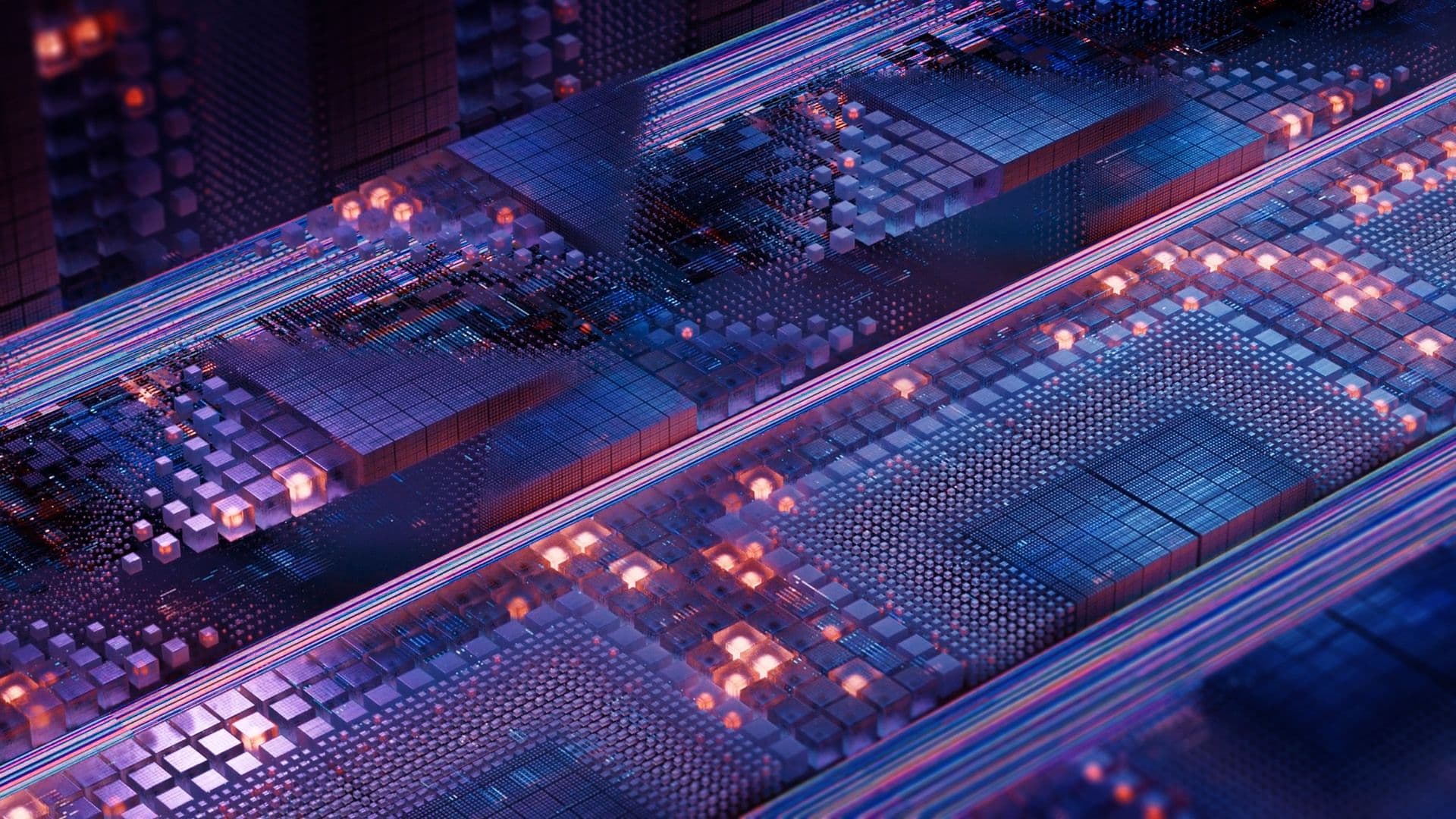
As visual generation becomes easier, the ability to produce images will likely become less scarce. What becomes more valuable, instead, is the ability to navigate uncertainty and convert abstract ideas into results that function in real-world contexts. Creative studios exist largely to manage that translation. They absorb ambiguity at the beginning of a project and gradually transform it into a structured, precise, and deliverable outcome. Producers maintain clarity within the process, artists explore and shape the visual language, and technical specialists ensure that ideas remain feasible at scale.
The final output may appear as a single image or a short sequence. The process behind it is considerably more complex. What clients ultimately purchase is not the image itself. They purchase the confidence that a team understands how to move from concept to result.
As generative tools become more visible, it becomes easier to confuse the visible artifact of creative work with the entire process behind it. Visual output is the most obvious outcome of creative production, but it represents only the final stage of a much larger system.
Studios that remain relevant over time rarely rely on isolated moments of inspiration. Instead, they develop repeatable processes that allow ideas to be explored, refined, and delivered within real constraints. In that sense, the value of creative production has never been tied exclusively to the image itself. It has always been tied to the system capable of producing it.
01
AI can generate visual output, but clients rarely purchase images in isolation. What they actually buy is the confidence that a team can translate an abstract idea into a finished result that works in the real world.
02
In creative production, the hardest challenge is not producing one impressive piece of work. The real difficulty lies in building a system that allows strong outcomes to appear repeatedly across different briefs, timelines, and constraints.
03
AI will increasingly become part of creative pipelines. However, tools alone do not create outcomes. Outcomes emerge from the interaction of experience, taste, collaboration, and production structure.

Author
Peter is a founding partner and Chief Creative Officer, shaping the studio’s creative vision since 2007. He pushes ideas and craft to their highest form, setting the bar for creative excellence across the studio.
Connect:
LinkedIn