Studio
Inquiries
People & Culture

Studio
Inquiries
People & Culture
Ⓒ2026 Ars Thanea (SYZYGY Group). All Rights Reserved.
Join our newsletter
What’s new, what’s next — straight to your inbox.
What’s new, what’s next — straight to your inbox.
Studio
Inquiries
People & Culture
Studio
Inquiries
People & Culture
Ⓒ2026 Ars Thanea (SYZYGY Group). All Rights Reserved.
author :
Peter Jaworowski
tags :
[ Industry ]
Other articles
For a long time, the path into the creative industry was relatively predictable. You started at the bottom. Junior designer, production artist, assistant, intern. The titles varied by studio, agency, or discipline, but the structure was usually similar. The first years of a creative career were filled with smaller tasks that gradually built experience. Preparing files, iterating on variations, supporting production, doing research, and fixing details that more experienced people did not have time to touch.
None of those tasks was particularly glamorous, but together they formed something important. They created a training ground where taste developed, where people learned how ideas move from concept to execution, and where they slowly began to understand why certain decisions matter more than others.
That early layer of work was never only about output. It was also where confidence, judgment, and craft were built. Over time, the smaller tasks accumulated into something bigger. They created familiarity with process, sensitivity to detail, and the ability to recognize the difference between something that is merely finished and something that is truly good. Eventually, they led to responsibility. That progression was not perfect, but for decades it provided the industry with a reliable way to develop talent.
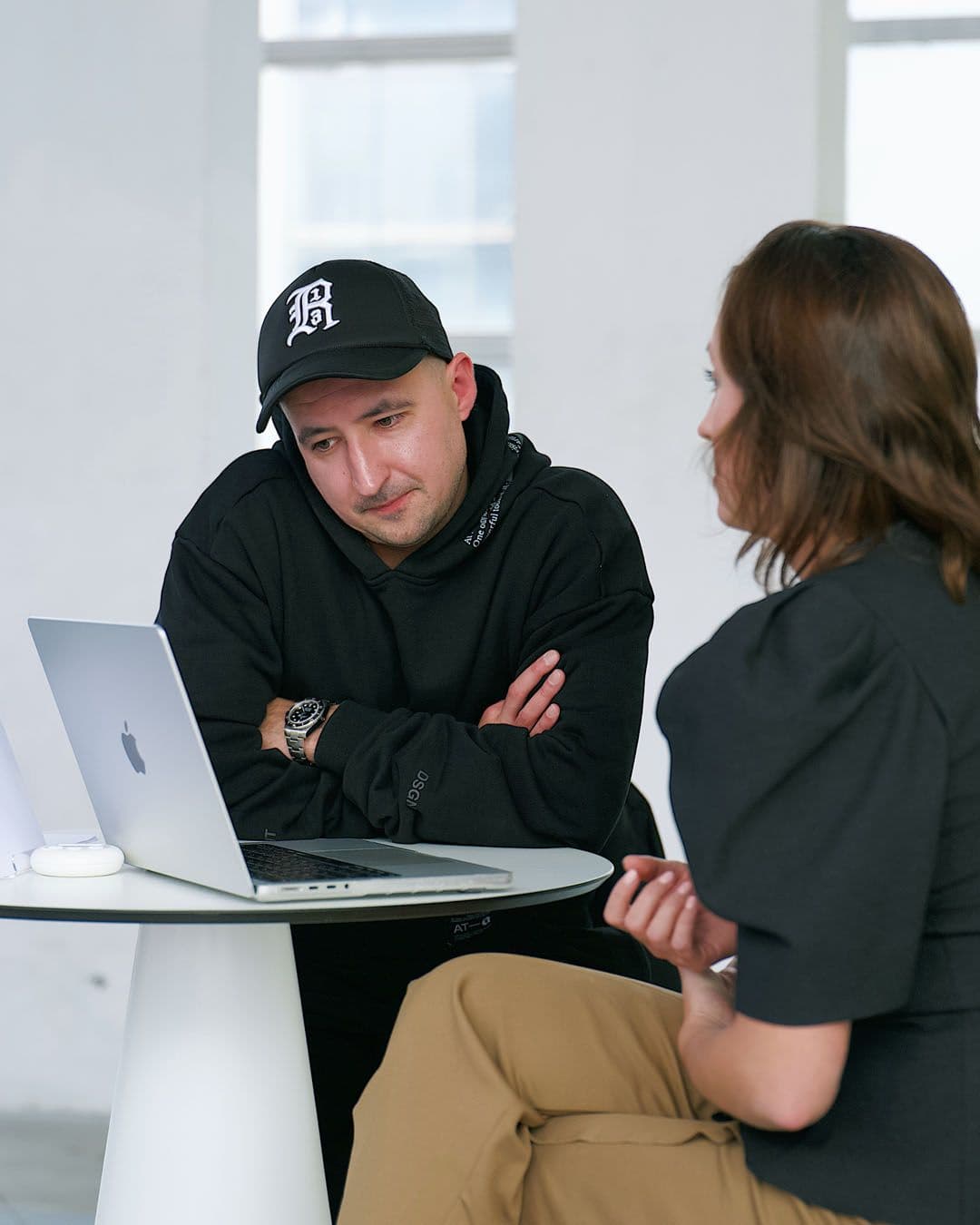
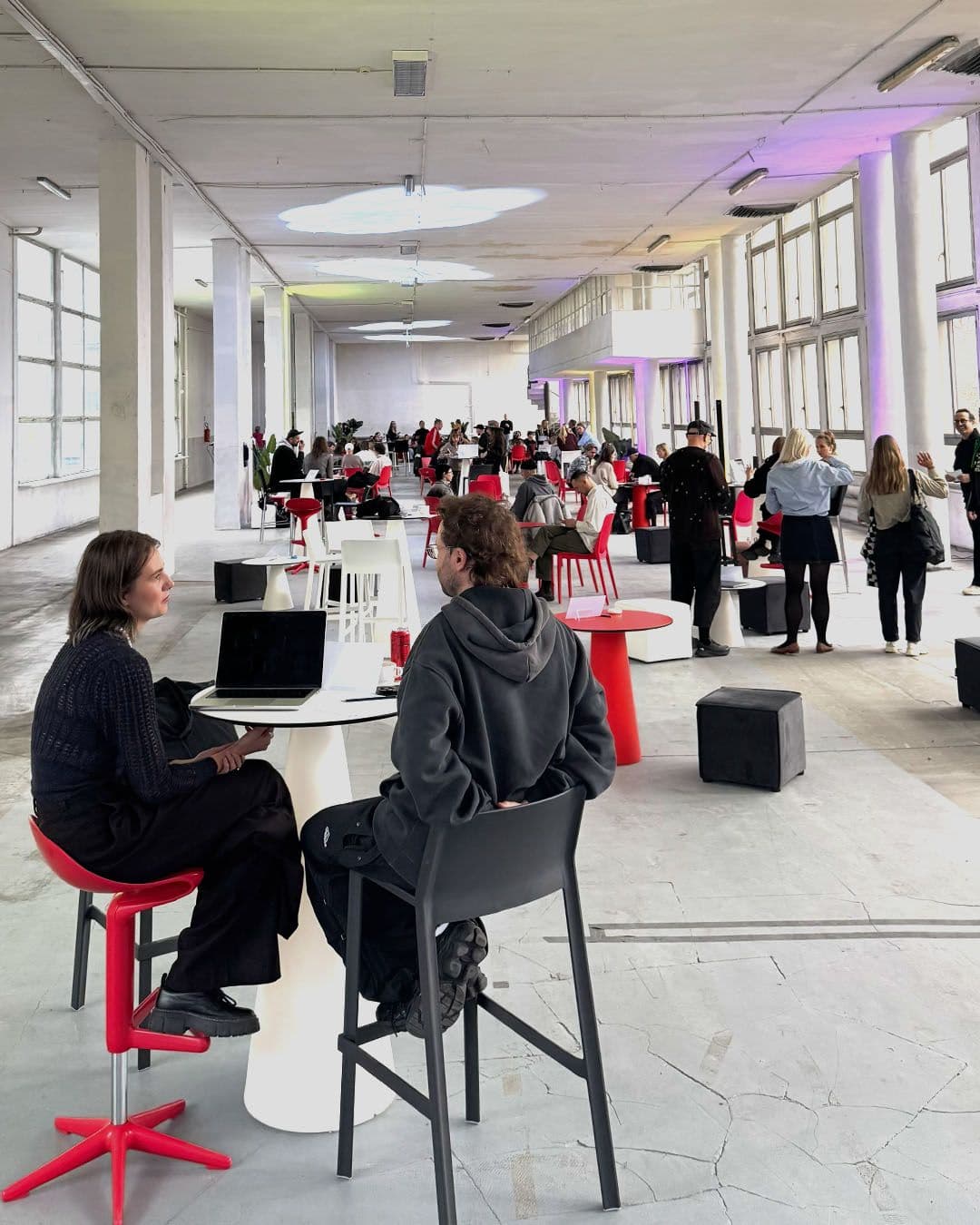
What makes the current moment interesting is that many of those early‑career tasks sit exactly in the layer where AI is becoming very good. Not vision, not strategy, and not creative direction, but the friction around the process. Research, early drafts, generating variations, exploring known directions faster, or supporting production work are all areas where AI already provides clear leverage. This is why the real conversation is often less about AI replacing creativity and more about AI removing production friction. For experienced creatives, this can be a genuine advantage. A single person can now explore more directions, test more ideas, and move through certain stages of the process faster than before.
For studios and companies, this often translates into efficiency, and for senior people, it often translates into leverage. But that same shift also changes something more structural in the industry, because the layer being compressed is the same layer that once trained people on their way in.
This is where the question becomes more interesting. If the tasks that traditionally filled the first years of a creative career begin to disappear, what replaces them? For a long time, the industry relied on a natural progression. People learned by doing smaller things first, and over time, those smaller things became bigger decisions. That path was not always exciting, but it gave people a way to build craft through repetition, observation, and proximity to more experienced practitioners.
If AI absorbs a meaningful part of that early layer, the traditional training ground becomes less visible. The concern here is not only that fewer entry‑level roles may exist, although that is part of it. The deeper concern is that the path toward becoming experienced may become less clear. If fewer people are brought into the industry through those early roles, where does the next generation of experienced creatives come from? That question lies at the heart of much of the current discussion about AI and creative work.
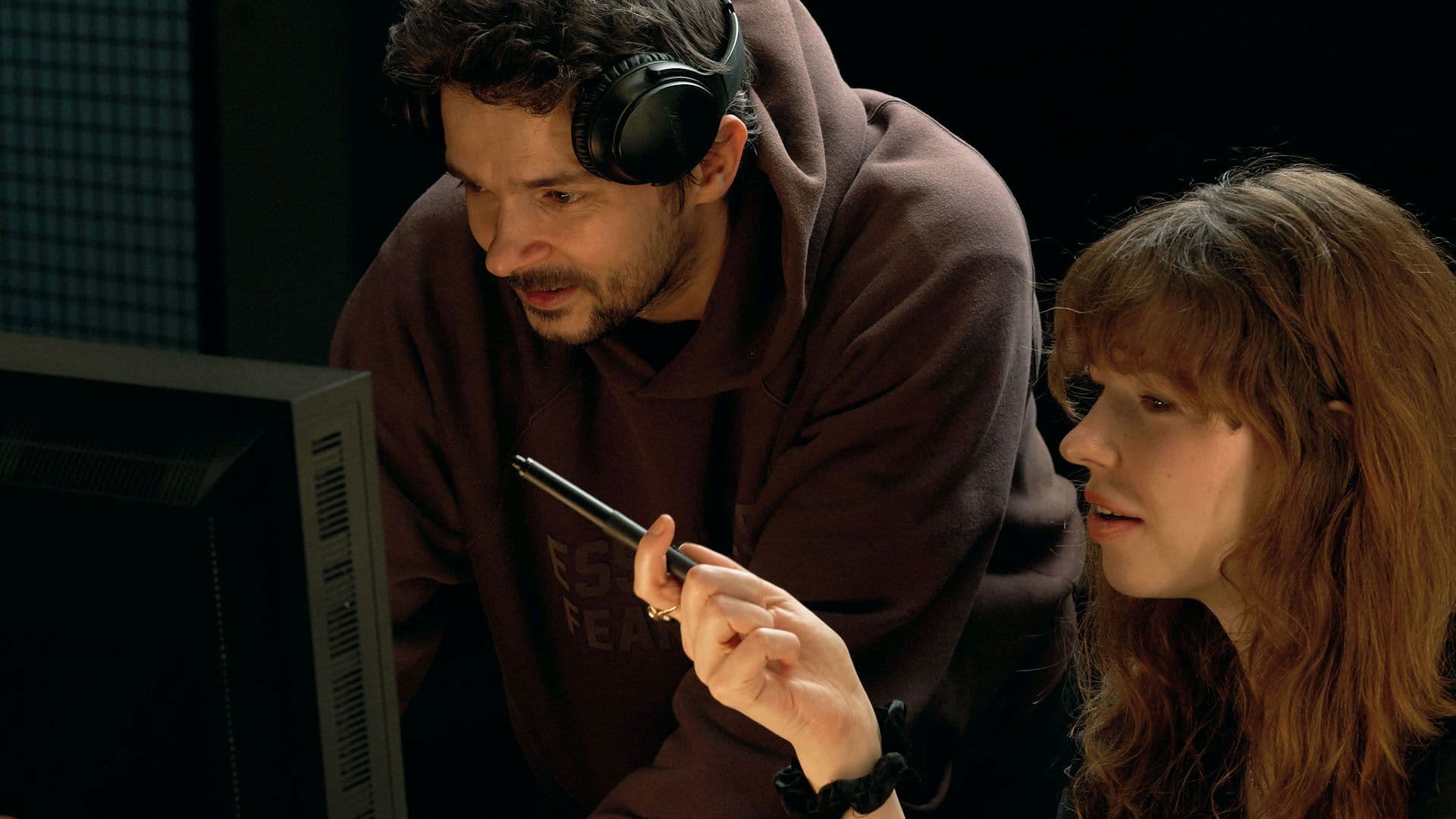
A real paradox is emerging here. AI can increase the leverage of experienced creatives today while simultaneously weakening the pipeline that produces experienced creatives tomorrow. The industry may become more efficient while also becoming less effective at developing its future talent. That tension is easy to miss because both things can be true at the same time. In the short term, the tools feel empowering. In the long term, they may reshape the ladder people once used to climb into the profession.
At the same time, this should not automatically be read as a pessimistic conclusion. Technologies rarely reshape industries in neat or predictable ways. They remove some paths, but they also create others.
It is entirely possible that the next generation of creatives will simply enter the field in a different way. When many of us started, access to tools, knowledge, and production capabilities was far more limited. Software was expensive, tutorials were harder to find, and distribution was still shaped by institutions and geography. Today, the situation looks very different. A young artist or designer can combine traditional craft with powerful AI‑driven tools, explore ideas faster, produce work independently, and share it directly with global audiences. In that sense, the next generation may be better positioned than previous ones in some important ways. The challenge may not be a lack of talent, curiosity, or opportunity, but a shift in where that development happens.
The early stages of a creative career may no longer begin within a studio or agency's production pipeline. They may begin in personal projects, self‑initiated experiments, online communities, or bodies of work built in public. If that is where the industry is heading, then the real change is not that creative careers stop beginning. It is that they begin somewhere else.
01
AI is not replacing creative vision. It is primarily compressing the production friction that used to sit around the creative process.
02
The biggest structural change may occur at the beginning of careers, as many traditional entry‑level tasks are disappearing.
03
The next generation of creatives may still be well positioned to thrive, but the path into the industry may begin less inside companies and more through independent work, communities, and self‑initiated practice.

Author
Peter is a founding partner and Chief Creative Officer, shaping the studio’s creative vision since 2007. He pushes ideas and craft to their highest form, setting the bar for creative excellence across the studio.
Connect:
LinkedIn